

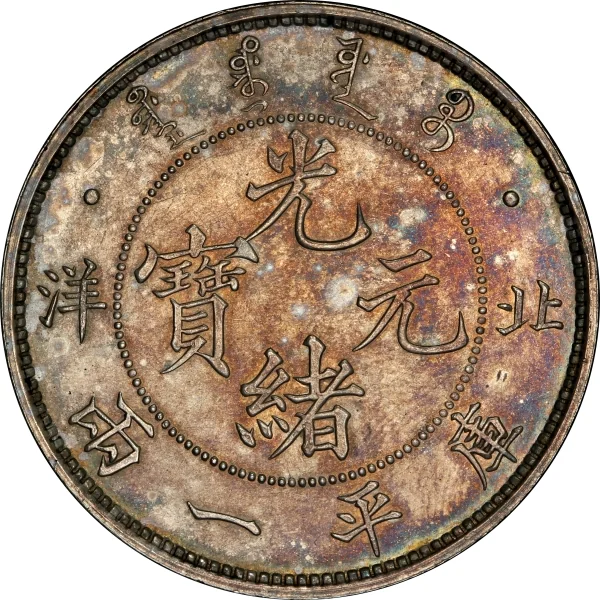
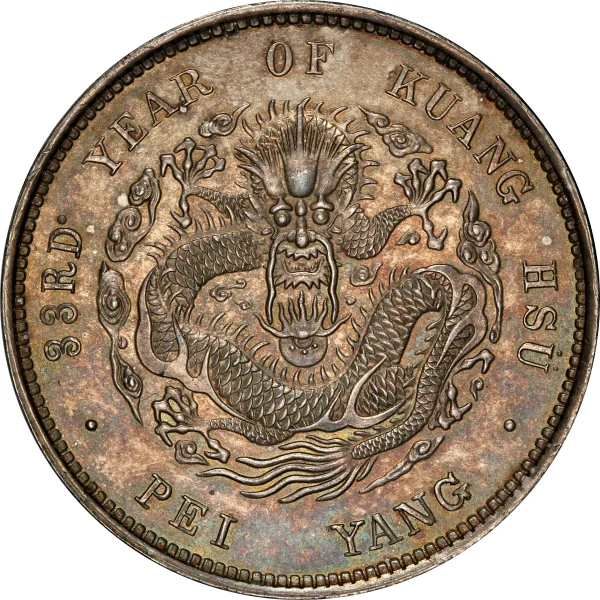
1 tael – Chihli Province
Add to wishlist
China
Context
Year: 1907
Chinese - Guangxu era Year:: 33
Country: China
Issuer: Chihli Province
Ruler: Guangxu
Currency:
Demonetized: Yes
Total mintage: 7,000
Material
References
Y: #
Numista: #16252
Value
Bullion value: $124.61
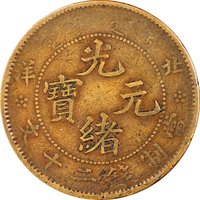
Obverse
Inscription:
ᠪᠠᡩᠠᠷᠠᠩᡤᠠ ᡩᠣᠷᠣ ᡳ᠋ ᠶᡠᠸᠠᠨ ᠪᠣᠣ
光
寶元
緒
洋北
兩一平库
光
寶元
緒
洋北
兩一平库
Translation:
Badaranggadoro i yuwan boo
Guang
Xu
Bao Yuan
Yi Ping Ku Yang Bei Liang
Guang
Xu
Bao Yuan
Yi Ping Ku Yang Bei Liang
Scripts: Chinese, Mongolian / Manchu
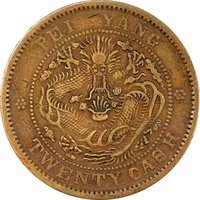
Reverse
Edge
Reeded.
Categories
| Mythology> Fantastic animal |
Mintings
| Year | Mint Mark | Mintage | Quality | Collection |
|---|---|---|---|---|
| 1907 | — | 7,000 |
Historical background
In 1907, Chihli Province (roughly corresponding to modern-day Hebei and the municipalities of Beijing and Tianjin) was at the epicenter of a severe and chaotic monetary crisis that reflected the crumbling fiscal sovereignty of the late Qing Dynasty. The core problem was the uncontrolled circulation of multiple, depreciating currencies without a unified standard. The province was flooded with tongyuan, low-quality copper coins minted in massive quantities by both official and unauthorized provincial mints to fund government deficits. Their value plummeted, causing drastic inflation for daily transactions. Simultaneously, the silver sector was fragmented, with various silver sycee ingots (measured in tael units) circulating alongside a growing number of foreign and domestic silver dollars, all with fluctuating exchange rates against the copper cash and each other.
This monetary disorder was exacerbated by Chihli's unique position as the capital province, hosting the imperial court in Beijing and the major treaty port of Tianjin. Foreign banks, particularly the British-run Hongkong and Shanghai Banking Corporation (HSBC), issued their own banknotes, which held more trust than Qing notes. The imperial government's own paper currency, the Hubu Guanpiao (Board of Revenue official notes), had been reissued in 1905 but was already failing due to lack of specie backing and public confidence. In the markets of Tianjin and Beijing, complex and volatile daily exchange rates between copper, silver, and paper created widespread commercial paralysis, harming both merchants and peasants.
The crisis in Chihli was a direct catalyst for central government action. Viceroy Yuan Shikai, based in Tianjin, had been advocating for monetary reform, and the situation in 1907 provided stark evidence of the need. It accelerated plans that would lead to the 1910 Currency Regulations, which attempted to establish a national silver dollar (yuan) as the standard. However, these centralizing efforts were too late and underfunded. The chaos in Chihli's currency system thus stood as a potent symbol of the Qing's inability to manage its economy, fueling general discontent and undermining stability in the very heart of the empire just years before its collapse.
This monetary disorder was exacerbated by Chihli's unique position as the capital province, hosting the imperial court in Beijing and the major treaty port of Tianjin. Foreign banks, particularly the British-run Hongkong and Shanghai Banking Corporation (HSBC), issued their own banknotes, which held more trust than Qing notes. The imperial government's own paper currency, the Hubu Guanpiao (Board of Revenue official notes), had been reissued in 1905 but was already failing due to lack of specie backing and public confidence. In the markets of Tianjin and Beijing, complex and volatile daily exchange rates between copper, silver, and paper created widespread commercial paralysis, harming both merchants and peasants.
The crisis in Chihli was a direct catalyst for central government action. Viceroy Yuan Shikai, based in Tianjin, had been advocating for monetary reform, and the situation in 1907 provided stark evidence of the need. It accelerated plans that would lead to the 1910 Currency Regulations, which attempted to establish a national silver dollar (yuan) as the standard. However, these centralizing efforts were too late and underfunded. The chaos in Chihli's currency system thus stood as a potent symbol of the Qing's inability to manage its economy, fueling general discontent and undermining stability in the very heart of the empire just years before its collapse.
💎 Extremely Rare