
Logo Title
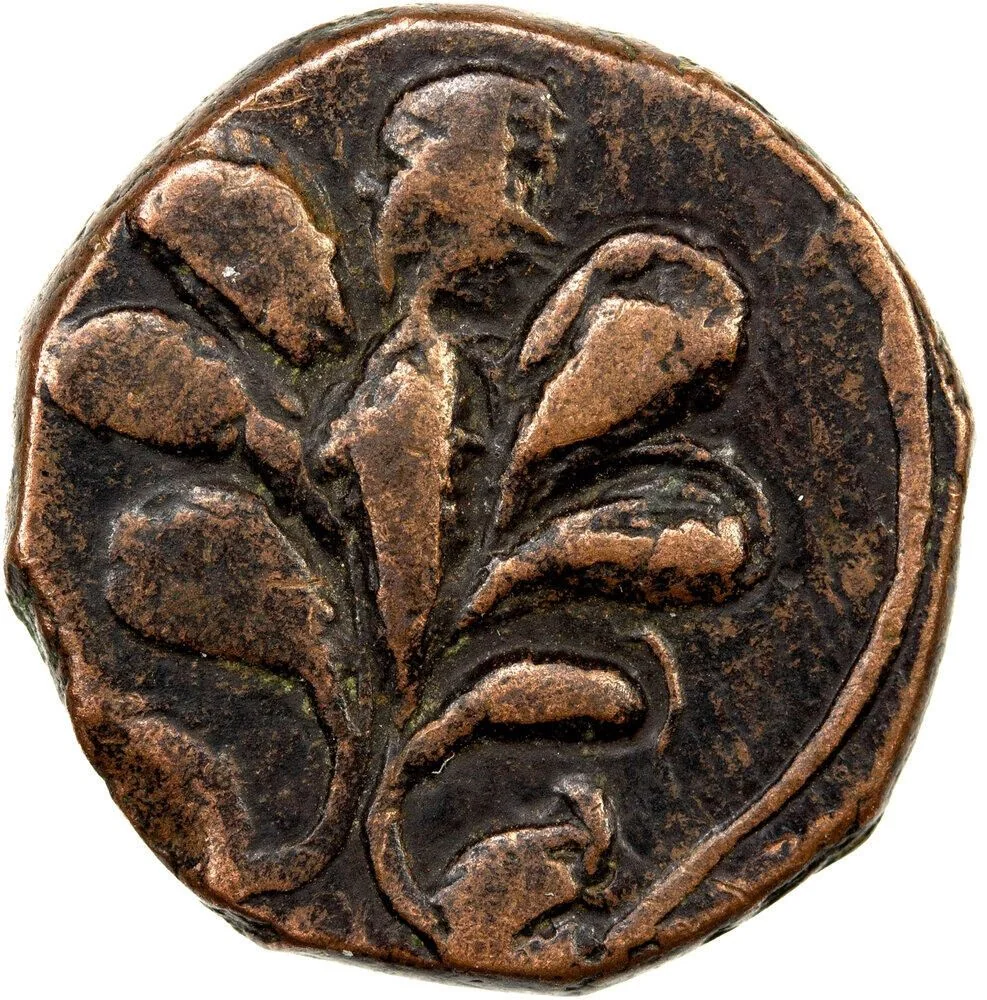
obverse
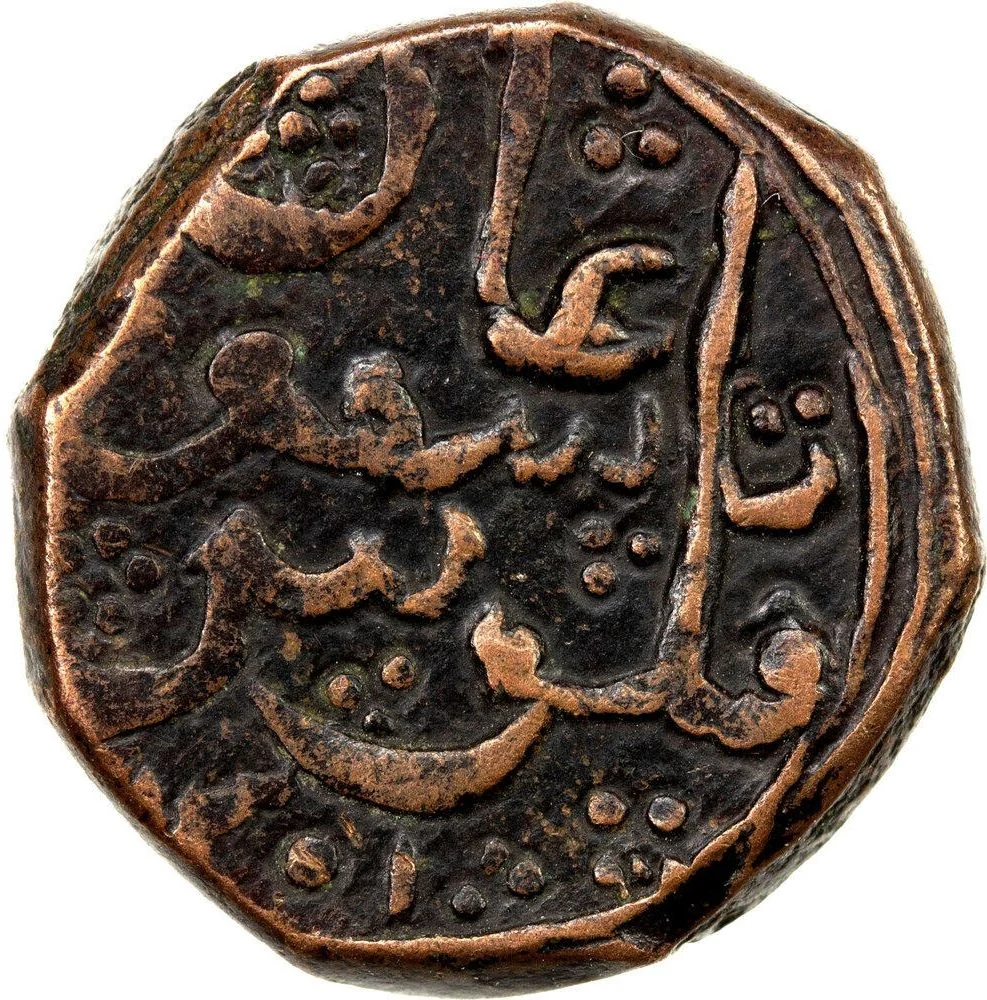
reverse
Stephen Album Rare Coins

1 Falus – City of Tashqurghan

Afghanistan
Context
Years: 1883–1884
Islamic (Hijri) Year: 1301
Country: Afghanistan Country flag
Currency:
(1747—1891)
Demonetized: Yes
Material
Diameter: 19 mm
Weight: 5.75 g
Thickness: 2 mm
Composition: Copper
Magnetic: No
Technique: Hammered
References
Numista: #379805

Obverse

Description:
Blossom in meadow.

Reverse

Description:
Arabic inscription above, date below.

Edge

Plain.

Mintings

YearMint MarkMintageQualityCollection
1884

Historical background

In 1883, Tashqurghan (modern-day Khulm, Afghanistan) existed at a complex monetary crossroads, reflecting its strategic position on Central Asian trade routes. The city was under the nominal control of the Afghan Amir, Abdur Rahman Khan, who was aggressively consolidating power from Kabul. However, the local economy was still dominated by long-established caravan trade with Russian Turkestan to the north and British India to the southeast. This geopolitical duality was mirrored in its currency, where the official Afghan rupee, minted by the Amir, circulated uneasily alongside a plethora of other coins.

The actual money in use was a heterogeneous mix, creating a challenging environment for merchants. Alongside the Kabuli rupee, one would find the older, and often preferred, Bukharan tenga and Russian Imperial silver rubles and gold coins, which arrived via trade with Tashkent and Samarkand. Even older Persian krans and Indian rupees from the British Raj were not uncommon. This multiplicity led to constant exchange calculations, with coins valued not just by denomination but by their intrinsic silver content, age, and place of minting, requiring the expertise of local money-changers (sarrafs).

Amir Abdur Rahman Khan sought to impose monetary uniformity as a pillar of state centralization. During this period, he had begun recalling old and foreign currencies, mandating their exchange for his newly minted Kabuli rupees at rates favourable to the state treasury. In Tashqurghan in 1883, this policy was likely in its early or contested stages, causing friction. Traders, reliant on cross-border commerce, were hesitant to relinquish trusted regional currencies, leading to a dual system where the state demanded one currency for taxes while the bazaar continued to operate on a more cosmopolitan and silver-based standard.
Legendary