

5 qirsh – Egypt
Add to wishlist
Egypt
Context
Years: 1877–1896
Islamic (Hijri) Year:: 1293
Issuer: Egypt
Ruler: Abdul Hamid II
Currency:
(1834—1916)
Demonetized: Yes
Material
References
KM: #
Numista: #36890
Value
Bullion value: $57.17
Obverse
Description:
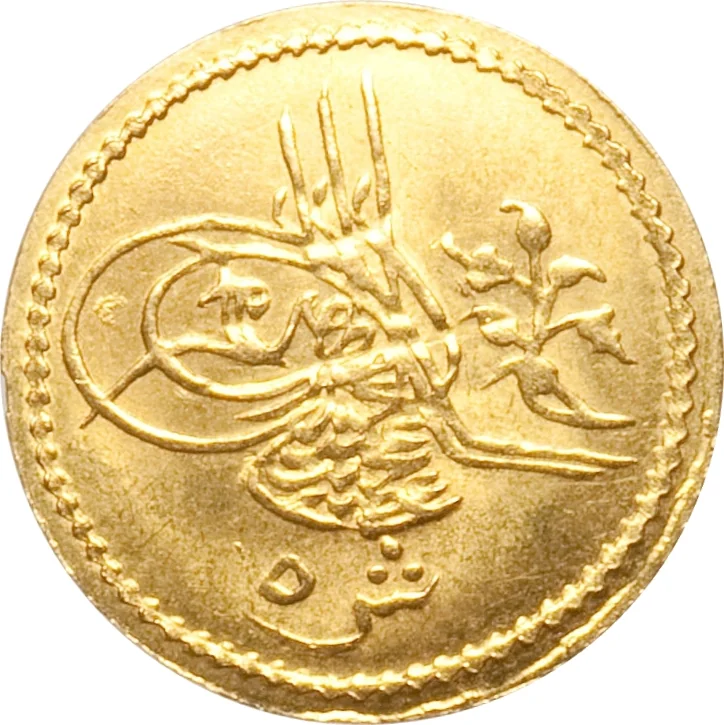
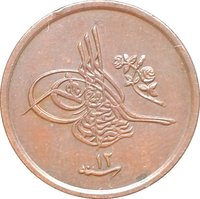
Tughra with right flower, value beneath.
Script: Arabic
Reverse
Description:
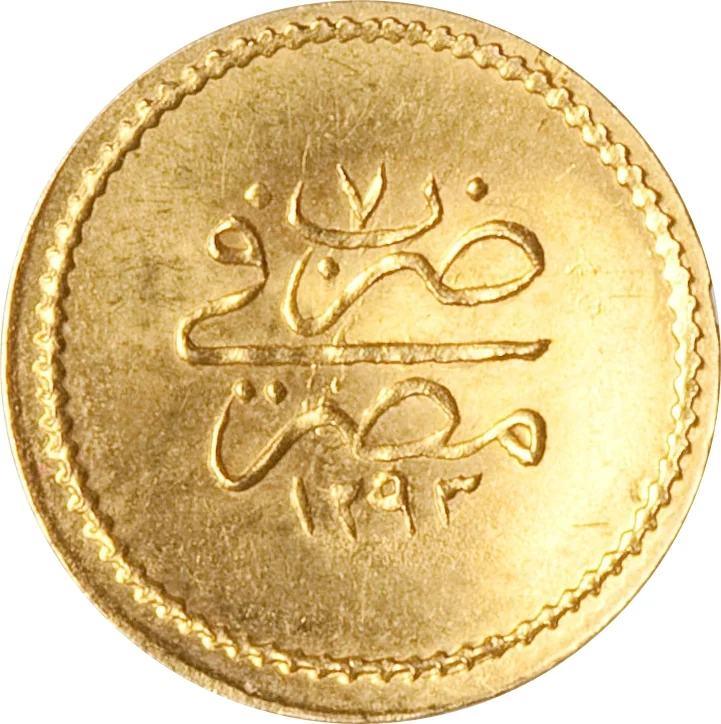
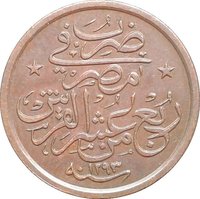
Accession year mint.
Script: Arabic
Edge
Mintings
| Year | Mint Mark | Mintage | Quality | Collection |
|---|---|---|---|---|
| 1877 | — | — | ||
| 1878 | — | — | ||
| 1879 | — | — | ||
| 1880 | — | — | ||
| 1881 | — | — | ||
| 1896 | — | — |
Historical background
By 1877, Egypt's currency situation was a direct reflection of the Khedivate's profound fiscal and political crisis. The ambitious modernization projects of Khedive Ismail, particularly the Suez Canal, had been financed through massive foreign loans at exorbitant interest rates. This spending spree, combined with a collapse in global cotton prices after the American Civil War, left the treasury bankrupt. In 1876, Egypt was forced to accept European-led debt management under the Caisse de la Dette Publique, which effectively placed its revenues under international control to service its £91 million debt.
The monetary system itself was chaotic, characterized by a dual circulation of gold and silver with no fixed exchange rate. The primary coin was the Egyptian pound (ginēh), a gold coin theoretically on a par with the British sovereign, but it circulated alongside a plethora of silver piastres (qirsh) and foreign currencies, including Turkish, French, and Austrian coins. The value of silver against gold fluctuated wildly, causing severe instability in everyday trade and government accounting. This bimetallic confusion was exacerbated by the chronic shortage of small change, leading to the circulation of debased and counterfeit coins, which further eroded public trust.
Consequently, the currency turmoil of 1877 was not merely a financial issue but a symbol of lost sovereignty. The International Commission established the Commission de la Bourse to stabilize exchange rates, but its efforts were undermined by the government's desperate need for liquidity. The Khedive's authority was fatally compromised between the demands of foreign creditors and the discontent of a population suffering from heavy taxation and economic uncertainty. This precarious financial background set the stage for the dramatic political events that followed, including the rise of nationalist opposition and, ultimately, the British invasion and occupation of 1882.
The monetary system itself was chaotic, characterized by a dual circulation of gold and silver with no fixed exchange rate. The primary coin was the Egyptian pound (ginēh), a gold coin theoretically on a par with the British sovereign, but it circulated alongside a plethora of silver piastres (qirsh) and foreign currencies, including Turkish, French, and Austrian coins. The value of silver against gold fluctuated wildly, causing severe instability in everyday trade and government accounting. This bimetallic confusion was exacerbated by the chronic shortage of small change, leading to the circulation of debased and counterfeit coins, which further eroded public trust.
Consequently, the currency turmoil of 1877 was not merely a financial issue but a symbol of lost sovereignty. The International Commission established the Commission de la Bourse to stabilize exchange rates, but its efforts were undermined by the government's desperate need for liquidity. The Khedive's authority was fatally compromised between the demands of foreign creditors and the discontent of a population suffering from heavy taxation and economic uncertainty. This precarious financial background set the stage for the dramatic political events that followed, including the rise of nationalist opposition and, ultimately, the British invasion and occupation of 1882.

✨ Legendary